Budding Blooms: Simple Gardening Tips for Moms
Looking for a new, fun, and sustainable hobby for your home? Well, you're in for a treat!
If you're a mom looking for a new hobby, gardening might just be the perfect pastime for you!
You might be thinking that gardening is a tedious one, so I've got some gardening tips to make things easier and enjoyable for you.
Easy Gardening Tips for Your Home
Here's a twist – we're not stopping at just planting and pruning. We're adding a touch of magic to your gardening experience by introducing the wonderful world of essential oils!
Ready to join the therapeutic benefits of gardening, and unlocking the aromatic wonders of essential oils?
Your green thumb is about to get a whole lot happier!
Tip 1: Choosing the Right Plants
First up, it is important to choose the right plants.
I’m not talking about those diva plants that demand constant attention and pampering.
With our busy schedules, I’m thinking about the resilient green comrades that can handle the unpredictability of mom life with grace and style.
Here are some of my suggested plants to begin with:
Succulents: These little champs thrive on neglect. Forgetful watering? No problem. They just need to be watered every 5-10 days. They'll be chilling, looking cute, and giving off those good vibes.
Snake Plant (Sansevieria): If you're going for drama without the fuss, the snake plant is your green superhero. It can handle low light, and irregular watering, and still stand tall. Plus, it cleanses the air wherever you put it!
Herbs (Mint, Rosemary, and Basil): Not only do these add a burst of flavor to your meals, but they're also forgiving if you forget to water them for a day or two. Plus, kitchen-fresh herbs? Yes, please!
ZZ Plant (Zamioculcas Zamiifolia): A tongue-twister name for a plant that's easy to care for. ZZ plants can survive in low-light conditions and forgive you if you occasionally overlook them.
These green buddies won't judge if you miss a watering day or two – they'll be there, reminding you that it's okay to take a moment for yourself.
Tip 2: Soil and Container Gardening
Next up is about getting our hands dirty – soil basics and best containers, especially if you have limited spaces!
Your plants need a good home. Not just loam or garden soil, they need some compost for that extra plant pampering too. It's like a nutrient-packed smoothie for your green buddies.
Pro Tip: You can create a small compost pit using a drum where you can put all the biodegradable kitchen scraps.
Now, let's talk about containers. Limited space? No problem!
Here are some ideas you can try:
Vertical Planters: Embrace the power of the vertical! Hang some planters on your balcony railing or wall. It's a living, breathing work of art that doesn't require a massive footprint.
Hanging Baskets: Elevate your gardening game – literally. Hang your plants in beautiful baskets, adding a touch of greenery to any nook or cranny.
Stackable Planters: It's like a green tower of power. Stackable planters allow you to go vertical while keeping things organized and stylish.
Who says gardening needs to be complicated?
Tip 3: Watering Wisely
The next tip is about watering techniques. It doesn't have to be complicated! Keep in mind the type of plants that you have, and then set a regular watering schedule to provide a consistent moisture level for your plants. You can put a reminder on your phone so you'll be notified that it's time to shower your plants with water and love!
As a rule of thumb, it's best to water your plants in the morning, when the temperatures are cooler. The plant's water absorption is better and they'll surely have ample moisture throughout the day.
I also heard that soaking banana peels in water and using that to water your plants is a game-changer. Have you tried it yet? I’d love to hear how that leveled up your gardening game, so please comment below how it was!
And remember to water the BASE of the plants, not the leaves. The goal is to let the roots absorb the needed moisture, so it's the base that should be watered. And by the way, wet leaves can encourage the development of fungal diseases, so be careful with this!
If you're in an area where it rains a lot, you might want to consider collecting rainwater in barrels for garden use. This sustainable practice not only conserves water but also provides a natural, chlorine-free source for your plants.
Tip 4: Pest Management the Natural Way
This might be an unpopular opinion, but switching to all-natural pest-repelling options rather than chemical-based ones offers several benefits for both human health and the environment.
For one, it's healthier for your whole family! Chemical-based pesticides contain synthetic substances that can be harmful when inhaled or come into contact with the skin.
Or worse, it might stick to your home-grown produced veggies/fruits! We don't want to ingest those chemicals, right?
Natural pest-repelling options, on the other hand, utilize plant-based ingredients that are generally safer for human health.
Also, chemical-based pesticides can harm our plants' friends like butterflies and bees. These friendly insects are beneficial to pollination, so opting for all-natural pesticides can ward off unwanted pests while still keeping the insects essential for a healthy ecosystem.
And did you know that pests can develop resistance to chemical pesticides over time?? This leads to the need for stronger and more toxic formulations, harming the environment, nature, and us.
Natural repellents, on the other hand, often have complex compositions and are less prone to creating resistant pest populations.
Here's a list of essential oils known for their insect-repelling properties that you can try out:
- Citronella: Known for its strong mosquito-repelling properties.
- Peppermint: Deters spiders, ants, and mosquitoes.
- Lavender: Repels mosquitoes, moths, fleas, and flies.
- Eucalyptus: Effective against mosquitoes and other flying insects.
- Tea Tree (Melaleuca): Repels ants, spiders, and other pests.
- Lemon: Effective against mosquitoes and flies.
- Cedarwood: Repels mosquitoes, ticks, and moths.
- Rosemary: Deters mosquitoes and other flying insects.
- Basil: Effective against mosquitoes, flies, and other insects.
- Geranium: Repels mosquitoes and ticks.
You can mix these essential oils up and create your own pest spray with such a pleasant smell.
Tip 5: Involve the Kids!
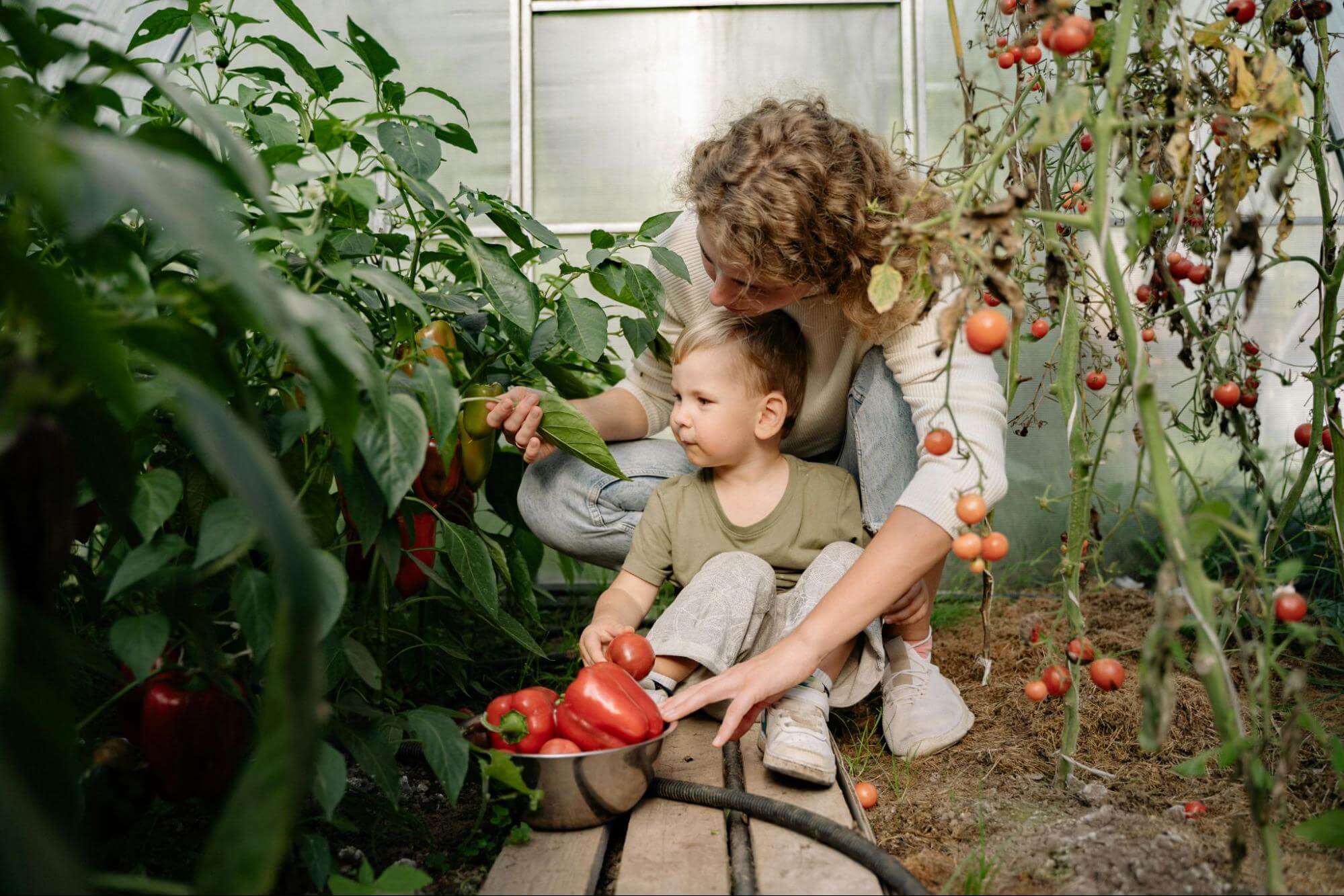
The best part? Involve the kids!
Getting the kids involved in physical activities like gardening is essential to their personal development and skills.
It can be an educational and hands-on experience with concepts related to biology, botany, ecology, and the life cycle of plants. Their problem-solving skills can also be developed, as you let me figure out the next best things to do with a plant.
Gardening is also a physically engaging activity that gets kids outdoors, away from their screens. yes to active play and overall physical well-being!
And I'm sure it's a great therapeutic bonding time for the whole family without having to spend too much. Great quality time with core memories, right?
Let’s Get Blooming!
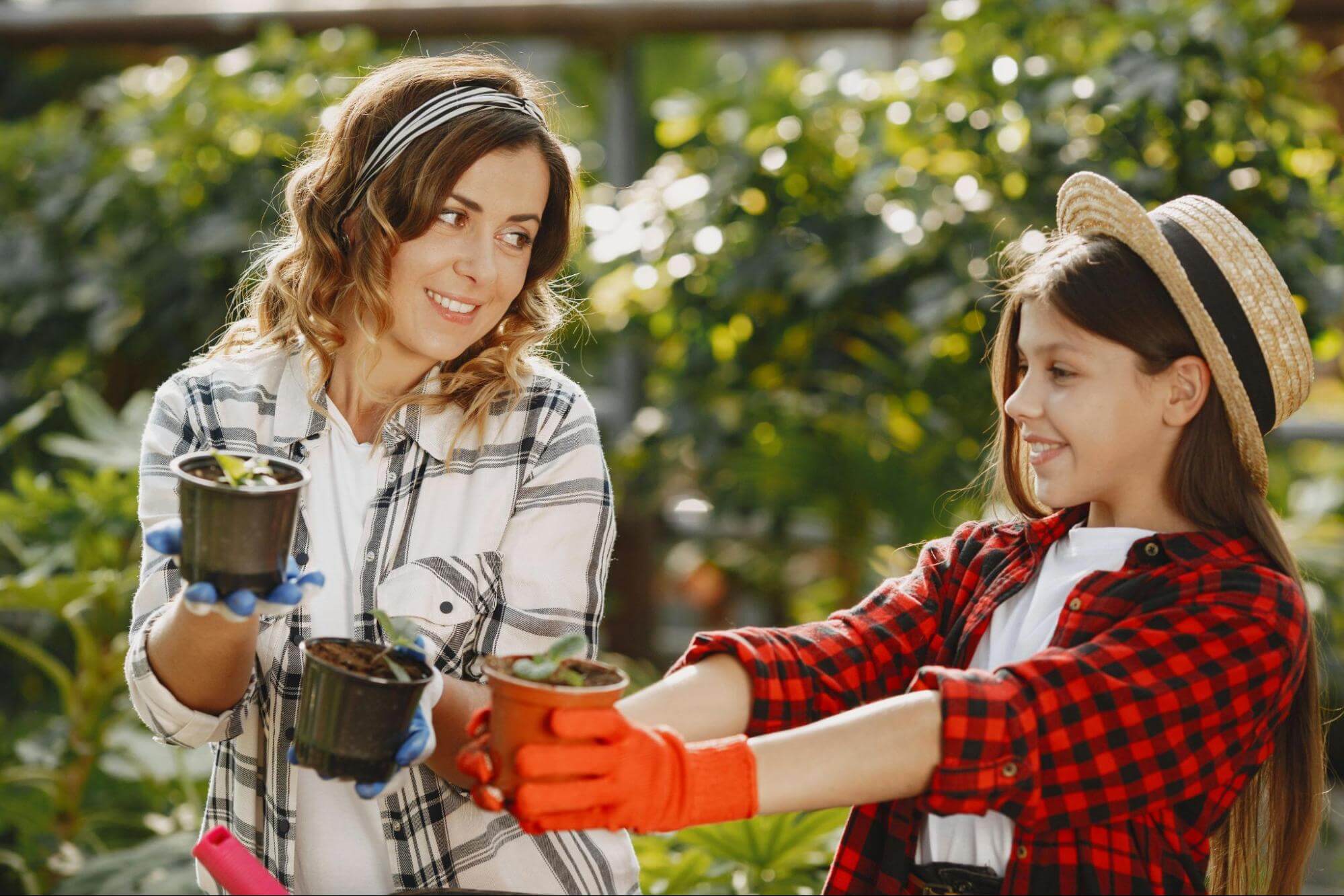
And there you have it, moms! I hope you enjoyed these tips and will try them out in your home.
Witnessing blooms and greens grow is a rewarding experience, and it just makes the home’s ambiance more welcoming and fresh.
Follow me on my socials for more detox tips, and send me a message if you have any questions, recommendations, or if you want to work with me!
Keep your plants healthy, the natural way with the right guide.
Read More Detox Tips: